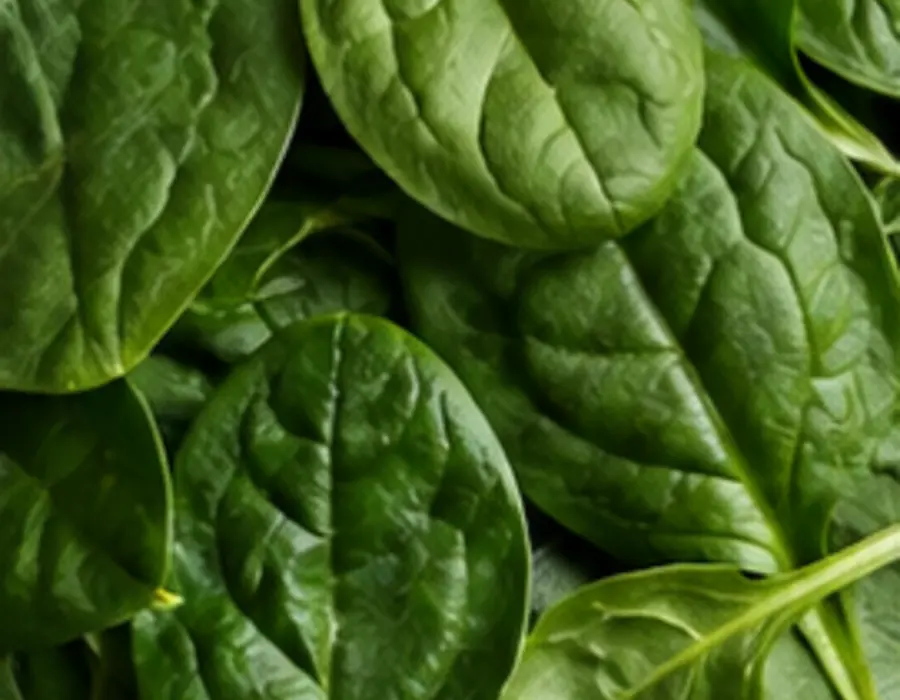
 01
01EWG rank
Spinach
Ispanak
EWG 2026 / Shopper guide
The Environmental Working Group’s 2026 Dirty Dozen prioritizes 12 conventionally grown foods by pesticide burden under its methodology.
Source: EWG’s 2026 Shopper’s Guide to Pesticides in Produce™, based on USDA testing data.
01Ispanak
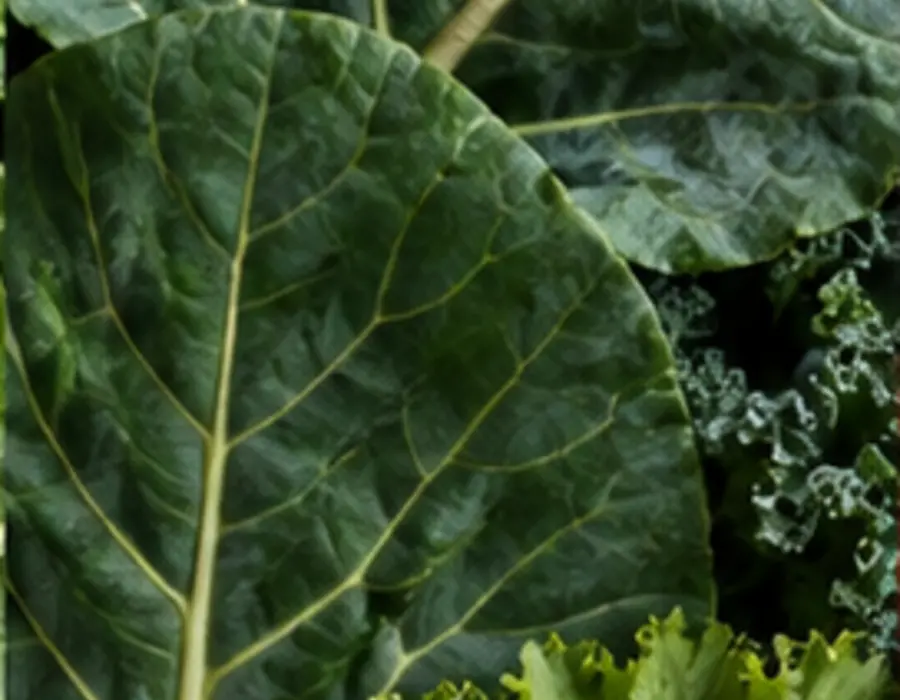 02
02Kale, kara lahana ve hardal otu
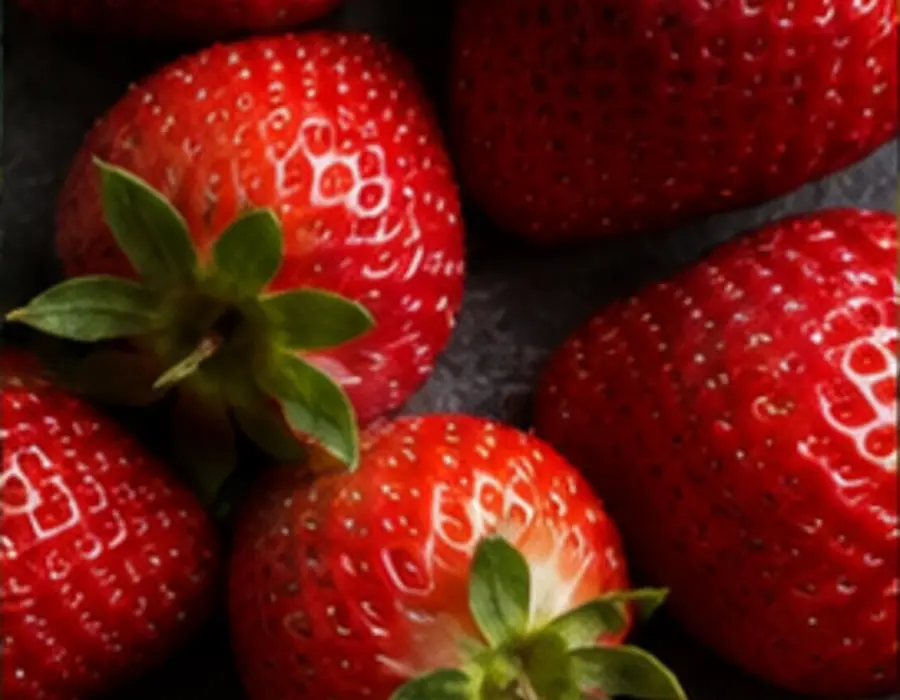 03
03Çilek
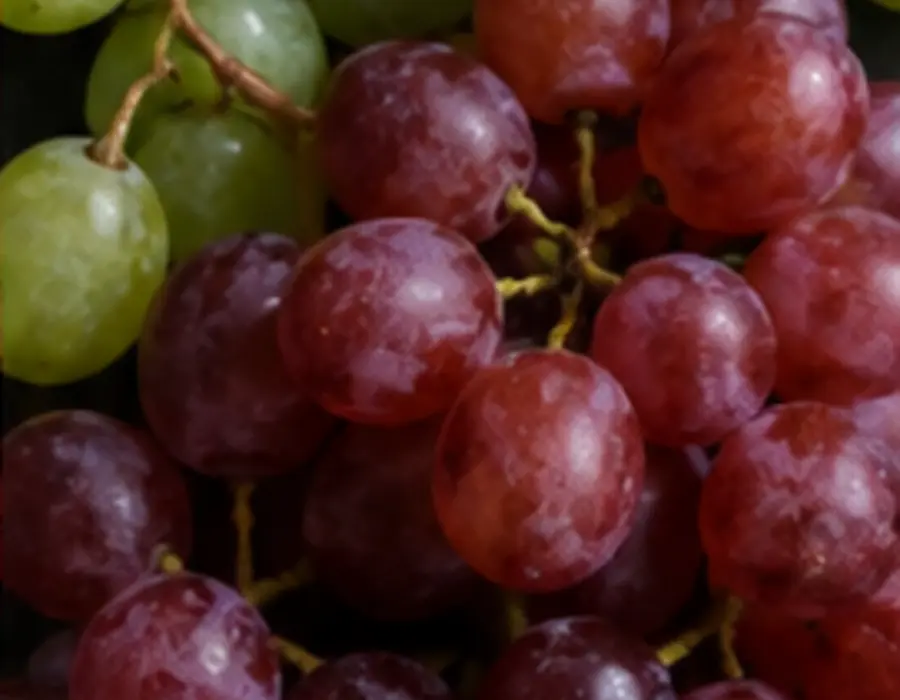 04
04Üzüm
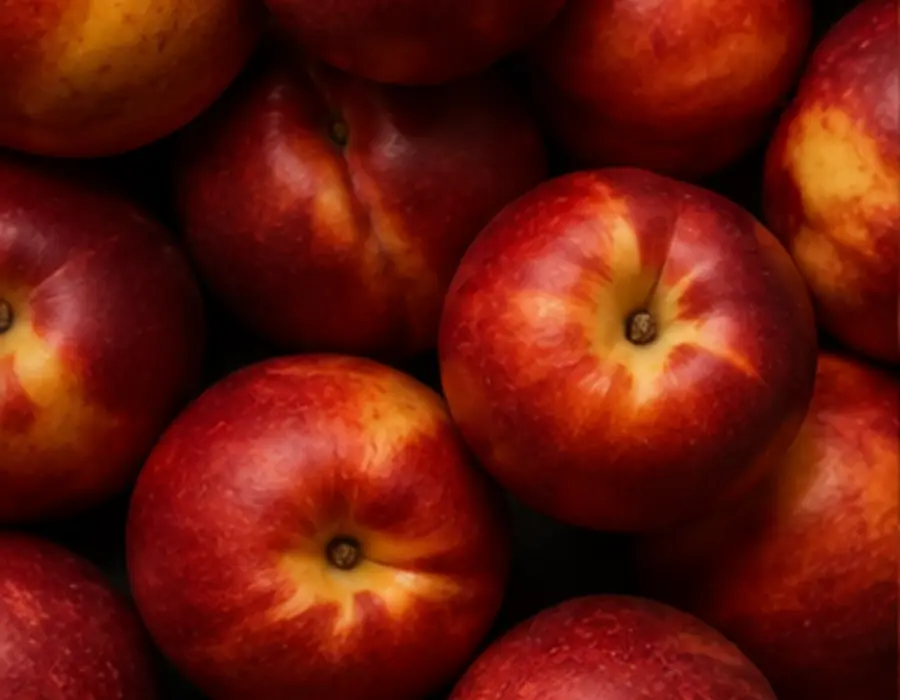 05
05Nektarin
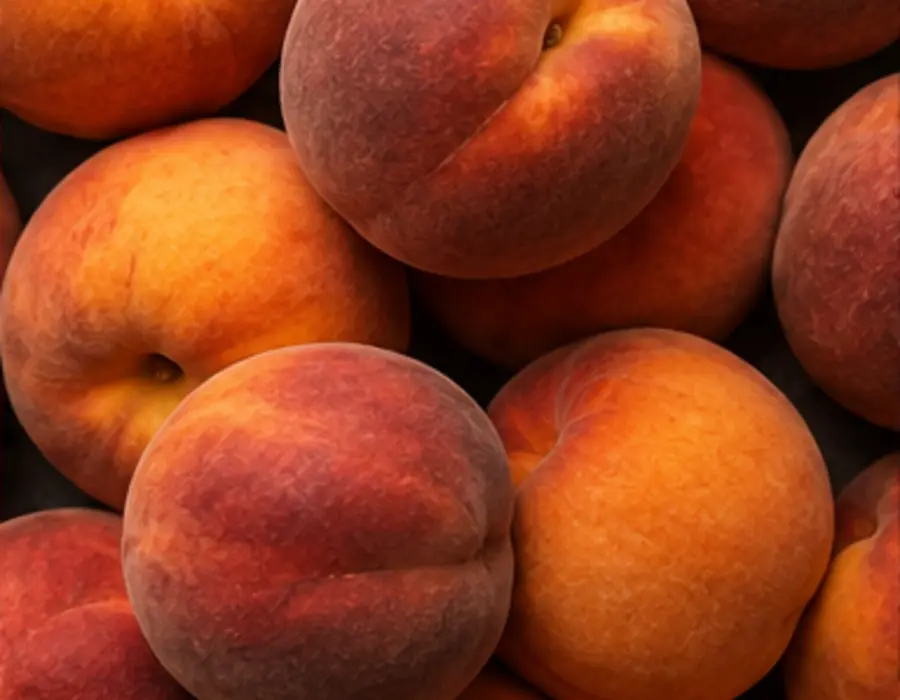 06
06Şeftali
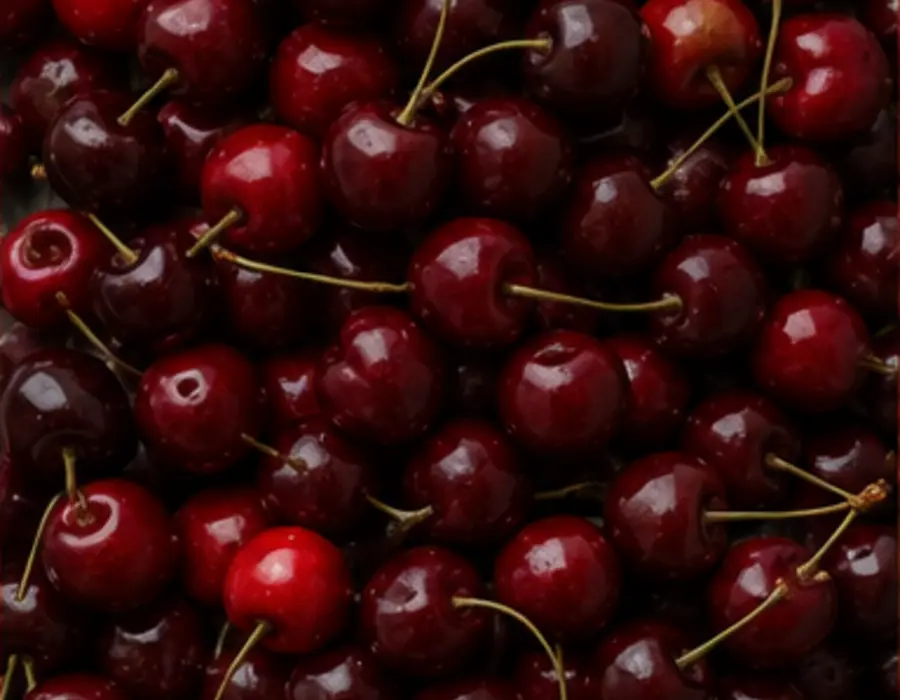 07
07Kiraz
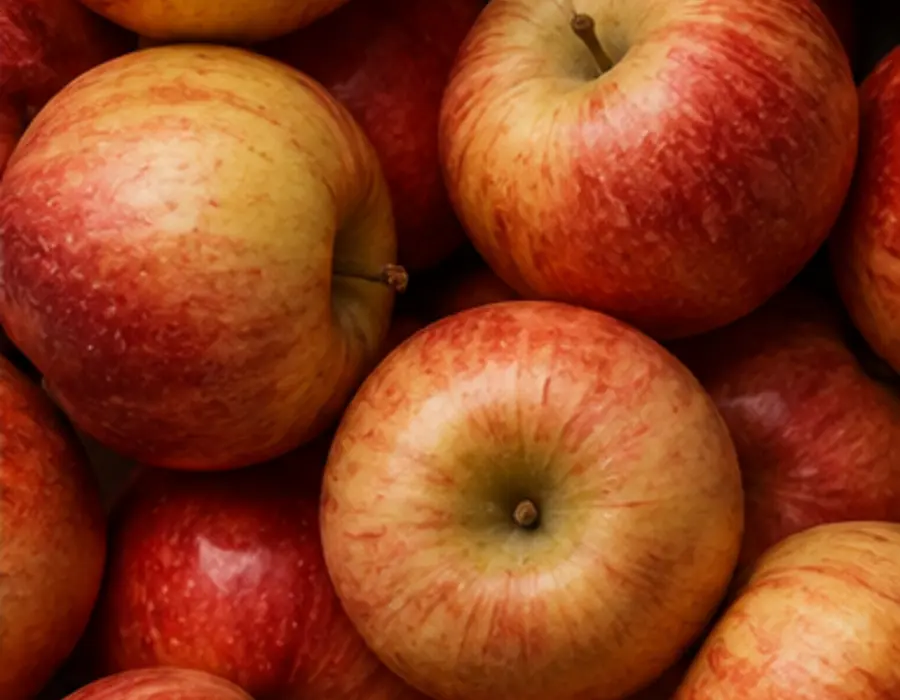 08
08Elma
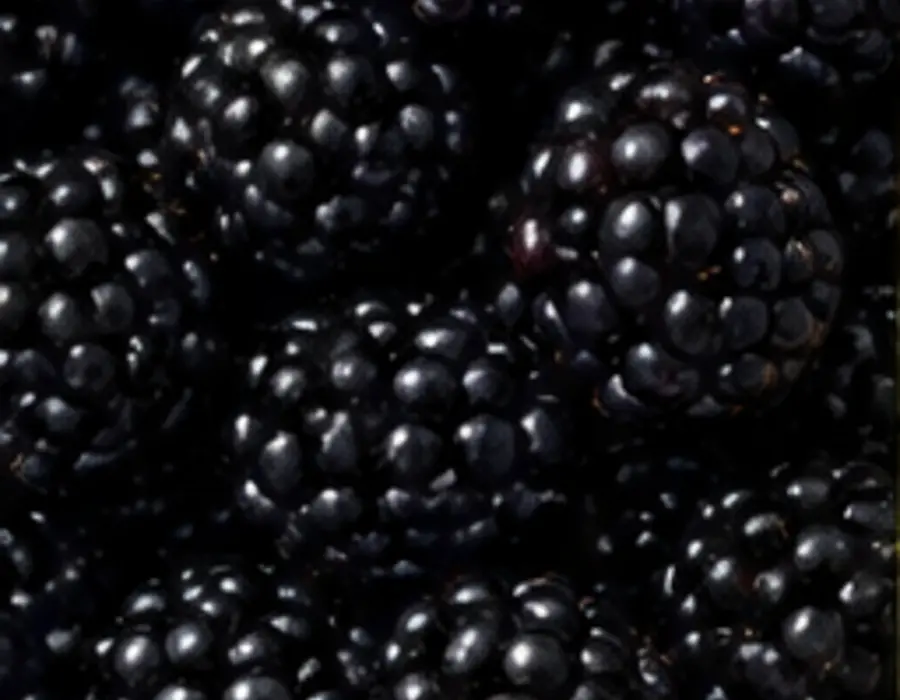 09
09Böğürtlen
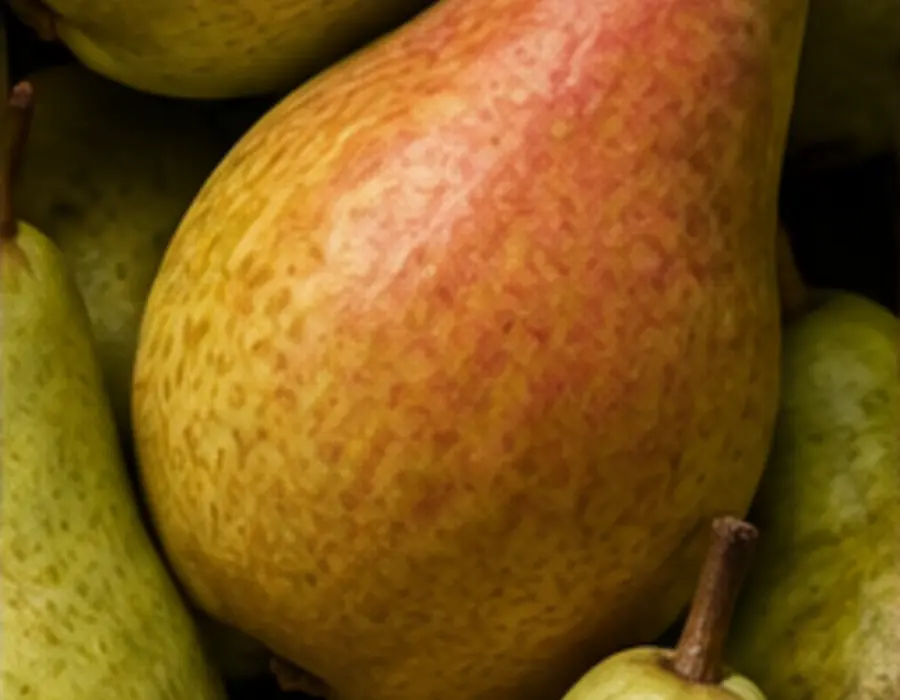 10
10Armut
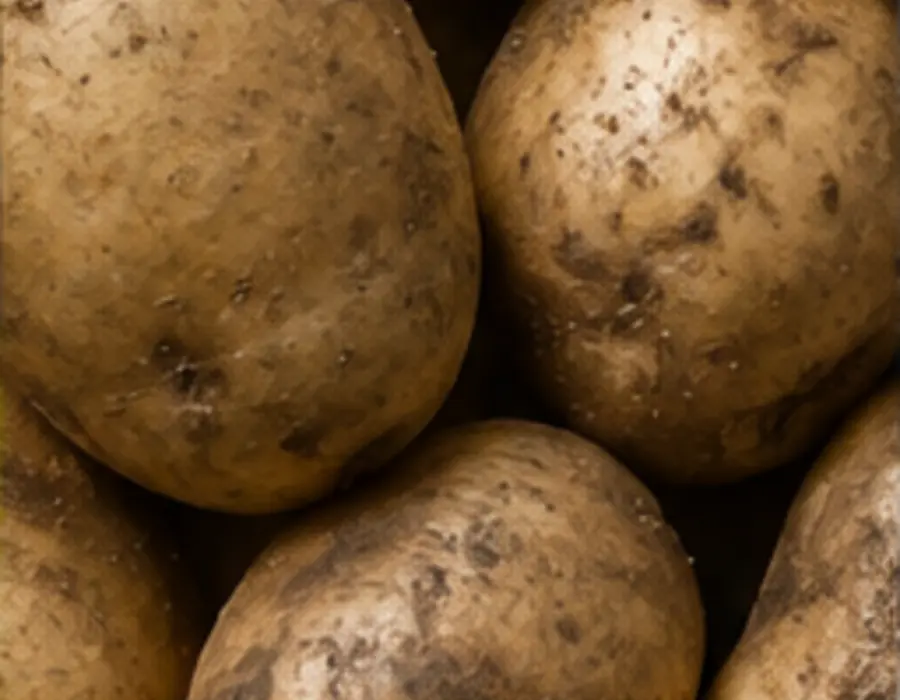 11
11Patates
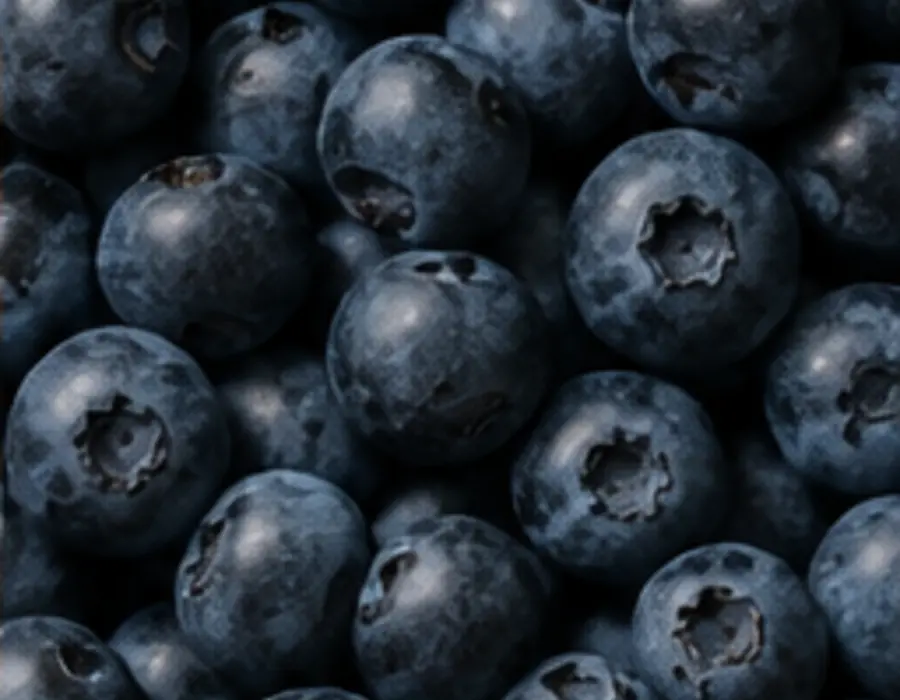 12
12Yaban mersini
Direct answer
EWG examined U.S. Department of Agriculture results for 54,344 samples across 47 produce items, considering pesticide frequency, diversity, intensity and toxicity. The ranking is a prioritization guide intended to help consumers make more informed shopping and washing choices.
Choose a range of seasonal fruit and vegetables rather than relying on a single item.
Rinse produce thoroughly under clean running water before eating or preparing it.
When possible, ask about production methods, testing information and traceability.
EWG / 2026
Last updated: August 7, 2026